
Exhibitions and Events
| The Crossley Gallery | Dean Clough Artists Biennial | 10th October – 3rd January |
| The Photography Gallery | Halifax Photographic Society | 10th October – 7th February |
| Upstairs & Mosaic Gallery | Roy Holt Wall Features | 10th October – 22nd November |
| Upstairs & Mosaic Gallery | Heather Boxall The Stuff of Colour | 28th November – 24th January |
| The Crossley Gallery | Ricochet | 16th January – 7th March 2027 |
DEAN CLOUGH ARISTS BIENNIAL
THE CROSSLEY GALLERY 10TH OCTOBER 2026 – 3RD JANUARY 2027
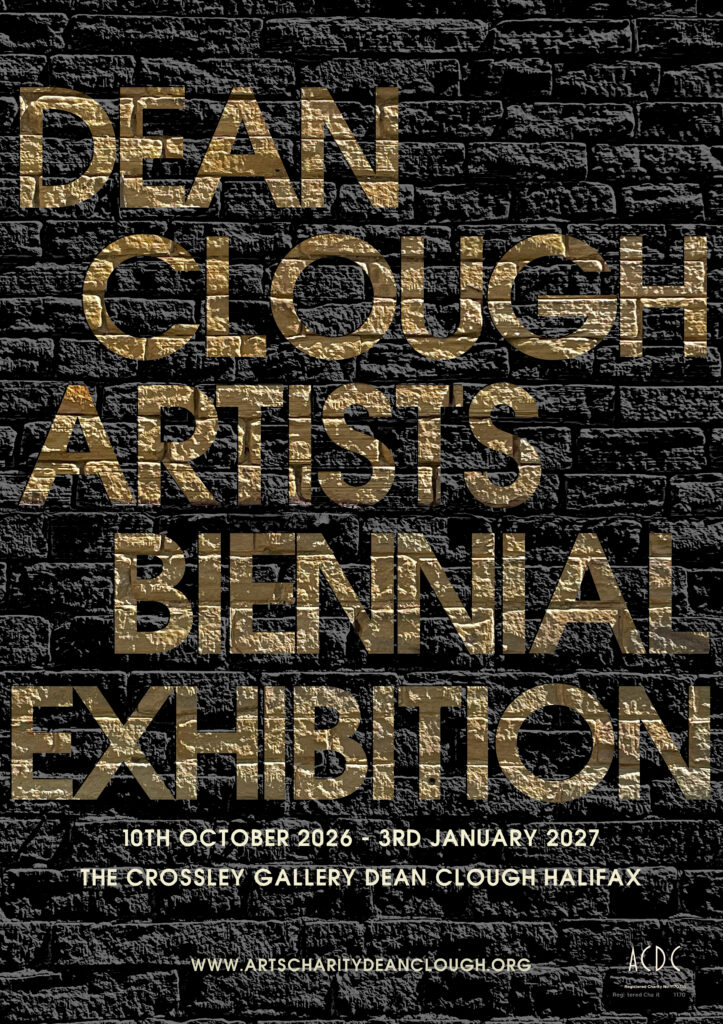
The Biennial celebrates this community in all its breadth. ACDC artists exhibit regularly in the Dean Clough galleries, teach within ACDC’s Art School, mentor emerging practitioners, give talks, and open their studios to the public each year. Their work shapes the cultural life of the site daily; the Biennial brings that energy together, offering a snapshot of the creativity that continues to define Dean Clough.
Artists Featured –
Jeffrey Andrews
Doug Binder
Linda Brill
Jo Brown
Natasha Elizabeth Brown
Peter Chapple
Sam Clayton
Ric Coulson
Frank Darnley
Pete Defty
Fiona Edmondson
Josephine Gornall
Jo Gorner
Marcus Jack
Helen Jones
Kirsty McDonald
Chris Mould
Claire Murray
Nicola Newton
Andy Plant
Kim Robertson
Barbara Sykes
Helen Trevisiol
Dashamir Varqarri
Anne Kingstone

HALIFAX PHOTOGRAPHIC SOCIETY – SHOWCASE
THE PHOTOGRAPHY GALLERY 10TH OCTOBER 2026 – 7TH FEBRUARY 2027
Halifax Photographic Society is a long‑established, friendly group of photography enthusiasts, now over a century old. Our members share a passion for image‑making, from Calderdale subjects to work created further afield.
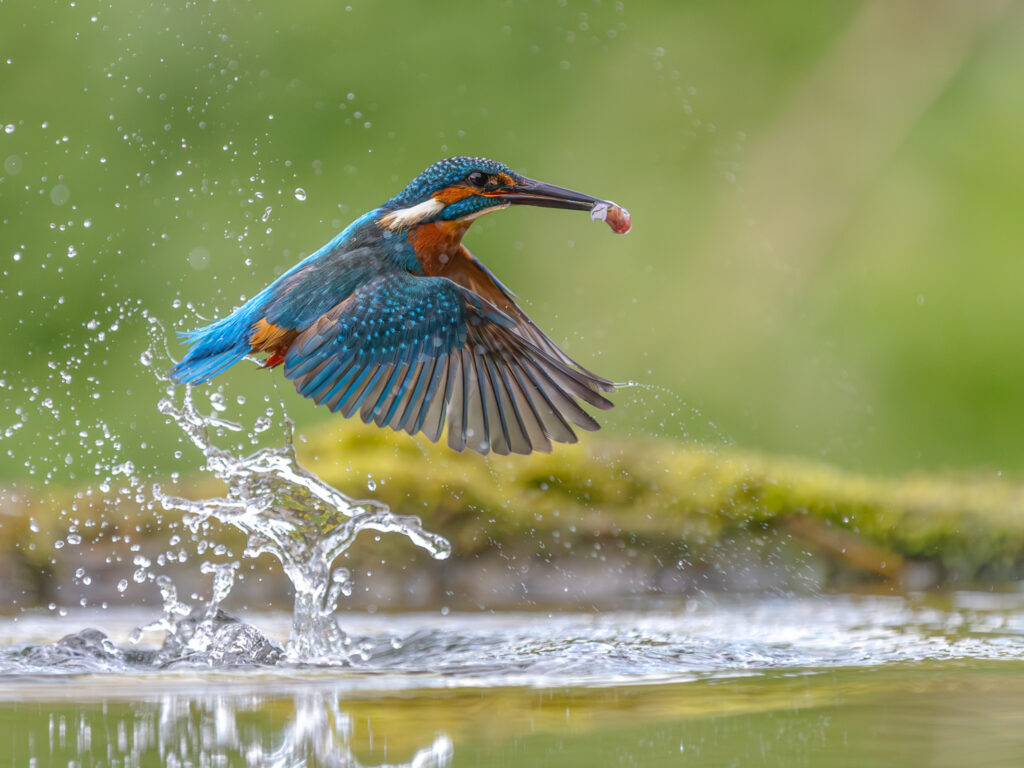
We’ve supported many local events and collaborated with Calderdale Council on exhibitions at venues such as Bankfield Museum and the Smith Art Gallery. This show highlights our commitment to photographic prints in an increasingly digital world.
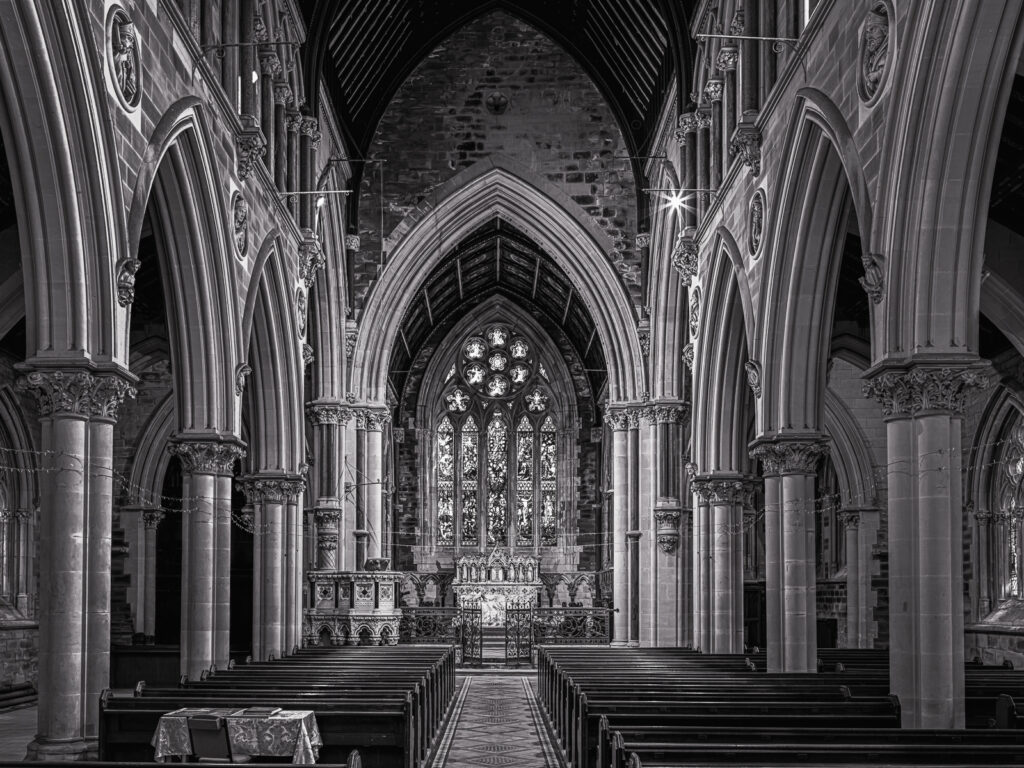
The exhibition brings together a wide mix of members’ work — wildlife, macro, portraits, landscapes, still life, fine art, sports and analogue photography. We hope it inspires visitors to explore photography themselves and perhaps join the Society.
ROY HOLT – WALL FEATURES
THE UPSTAIRS & MOSAIC GALLERIES
10TH OCTOBER – 22ND NOVEMBER
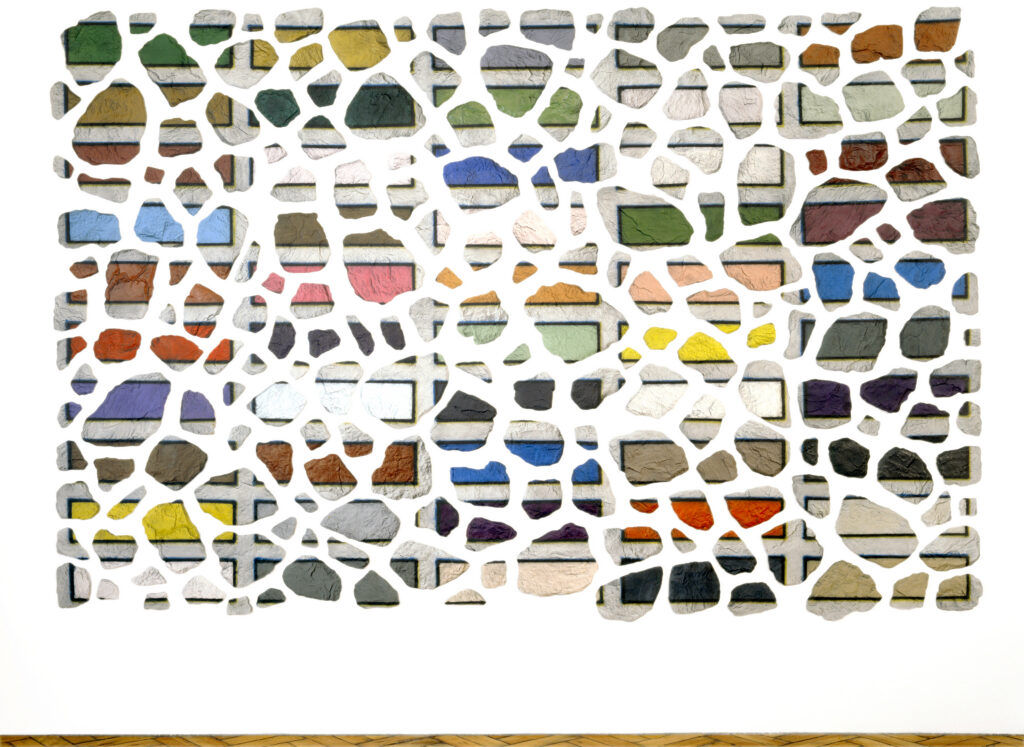
Roy Holt’s work frequently examines how cultural habits shape visual decision‑making, particularly in relation to domestic environments. His writing on DIY culture and home‑personalisation — “the fluffy dice of the home,” as he described the variables offered by do‑it‑yourself stores — reveals a long‑standing interest in how taste, choice and decoration operate within narrow conventions. Mark Wallinger noted that “Roy could see around corners,” capturing Holt’s ability to expose these conventions without overstating the gesture.
The wall features shown here extend this enquiry through painted fragments, faux architectural elements and surfaces that mimic transient decorating fashions. Holt’s interest in folly is central: in his Drive text he argued that art objects, like architectural follies, require the viewer “to speculate,” operating in the space where reason “loosens its grip.” Jo Moss observed that his work “invites us to consider the fundamentals of percept and concept,” emphasising how Holt used familiar domestic motifs — cladding, borders, hinges, tiled surfaces — to destabilise the boundary between decoration and meaning. These works treat the wall not as a neutral support but as a site where cultural pressures, habits of taste and the instability of context become visible.
Installed within the atrium’s layered architecture, the wall features sit cleanly against surfaces already marked by alteration. Their faux‑doors, fragments and patterned sections register as interruptions rather than embellishments, allowing Holt’s dry humour and quiet destabilisations to operate directly within the fabric of the space.
HEATHER BOXALL – THE STUFF OF COLOUR
THE UPSTAIRS & MOSAIC GALLERIES
28TH NOVEMBER – 24TH JANUARY
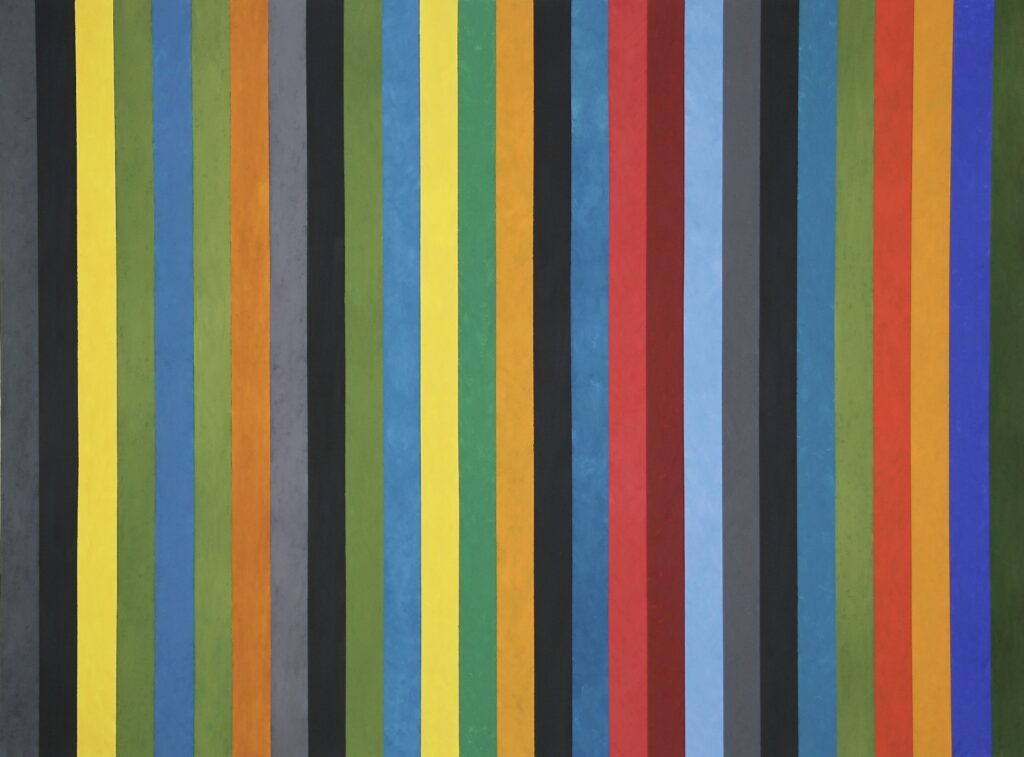
Painter and printmaker Heather Boxall is fundamentally concerned with the “stuff of colour”—how it operates visually, emotionally, and cognitively. Neuroscientist Anya Hurlbert notes that colour allows us to conceptualise and categorise the world. Boxall’s work embraces its elusive nature: the fact that colour remains a deeply personal possession, constructed entirely within our individual minds.
Central to this exploration is Boxall’s ongoing project, Colour Standards (initiated in 2018). The series references the 1951 British Colour Council Dictionary of Colour Standards, a historic guide featuring 240 silk-woven swatches originally designed to provide consistency in the textile industries. In Boxall’s hands, this rigid dictionary becomes a springboard for exploring cultural memory and subjective perception.
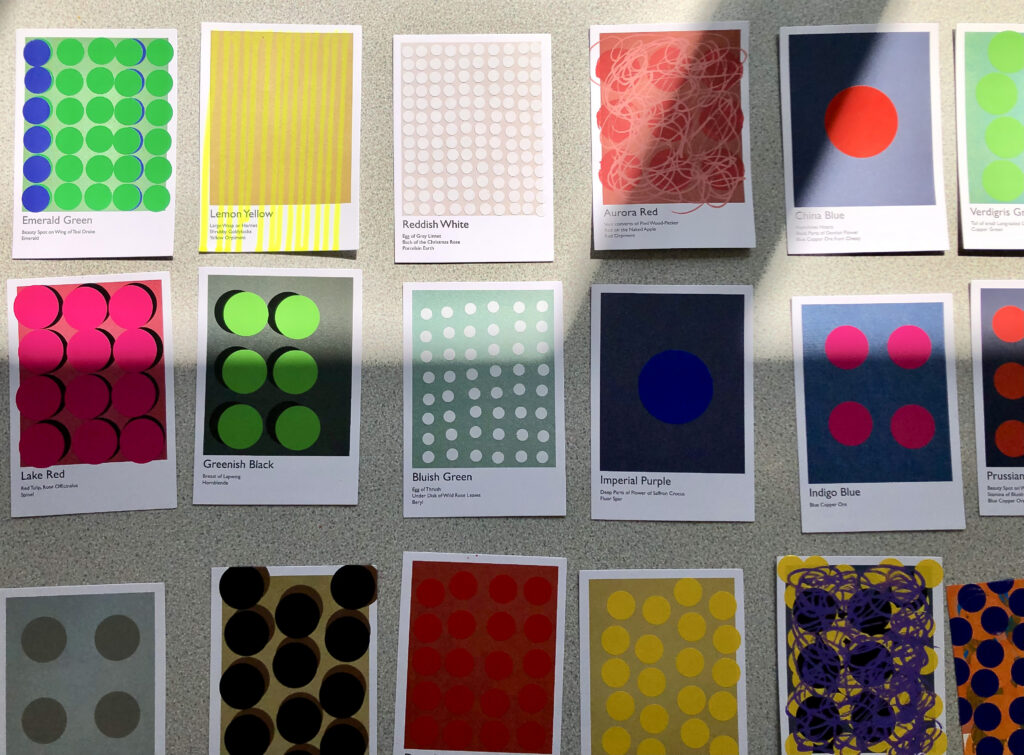
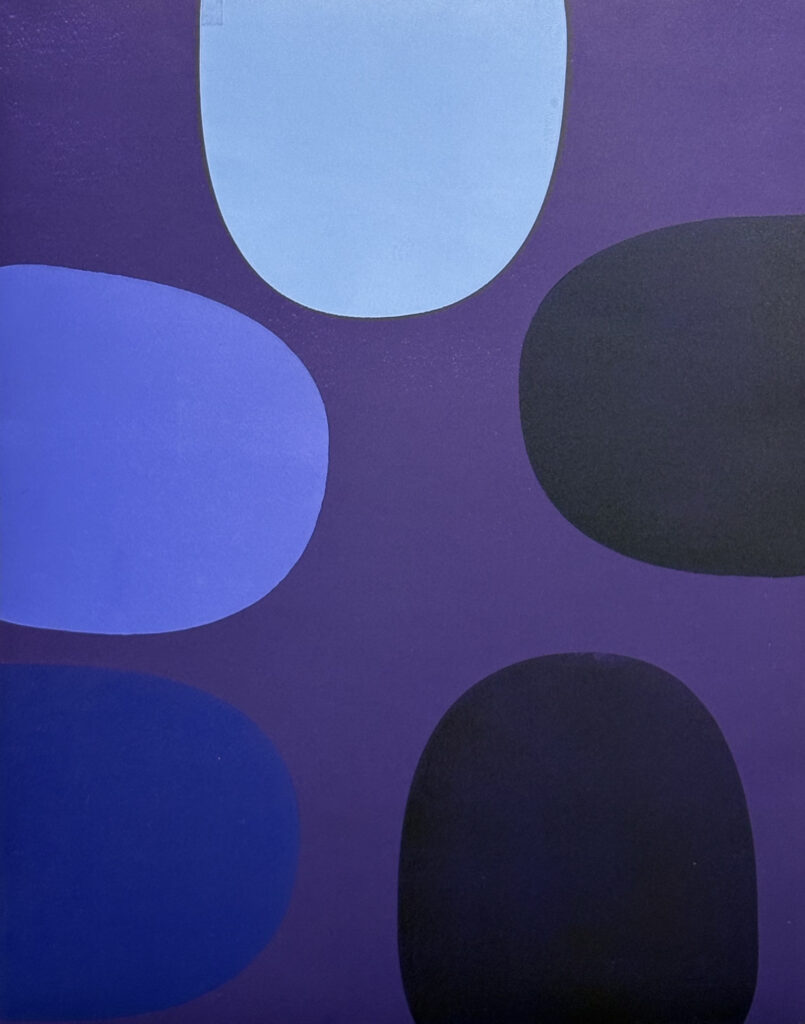
This exhibition presents her systematic interrogation of colour through three further distinct series: Ugandan Tally: A series translating the vibrant plumage of birds observed during a trip to Uganda. It is here that Boxall begins to actively tabulate and categorise her subject, turning raw observation into an ordered visual lexicon. Heart of Darkness:Paintings tracking and isolating Joseph Conrad’s intense, atmospheric use of descriptive colour in his classic novel. Playground of Colour: Works reacting to Werner’s Nomenclature of Colours (first published in 1814), exploring early attempts to order the natural world.
About the Artist
Born in Gravesend, Kent, Boxall studied Fine Art at Winchester School of Art (1981) before completing an MA in Printmaking at Bradford School of Art. She now lives and works in West Yorkshire.
RICOCHET
THE CROSSLEY GALLERY 16TH JANUARY – 7TH MARCH 2027
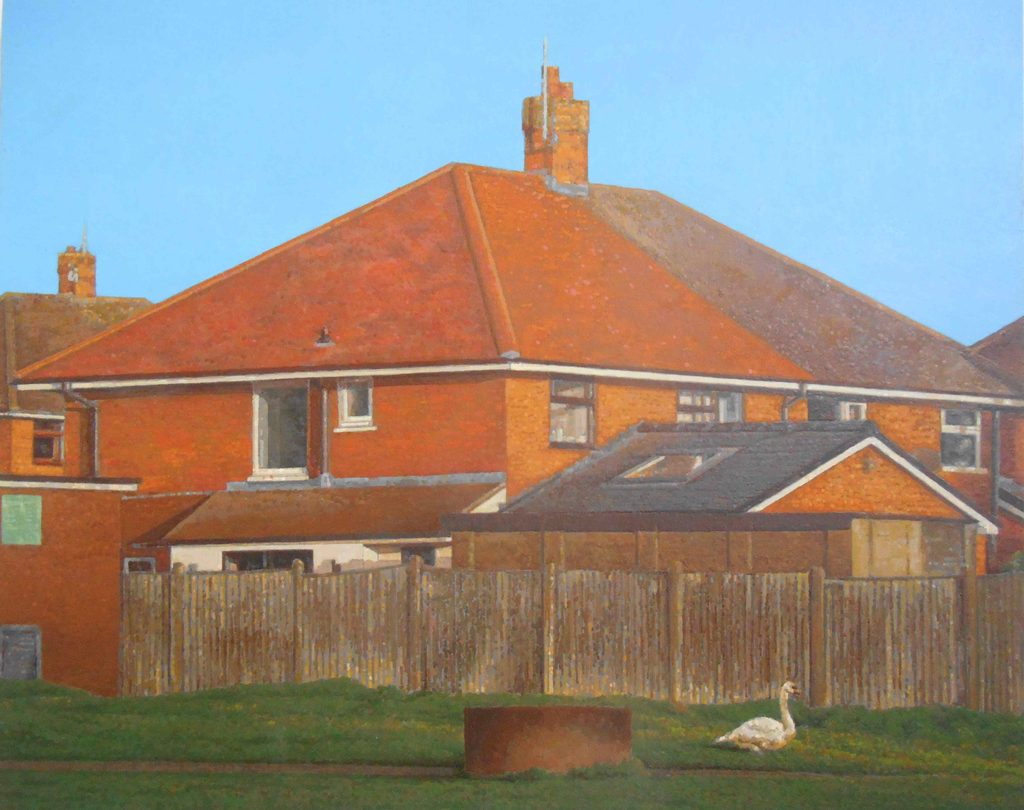
Sean Williams ‘I Have Seen a Swan’
Ricochet is a contemporary art exhibition that brings together a group of studio based artists from across the country whose diverse and eclectic practice reflects the process of painting, drawing, expanded practice, and installation. This established group of artists includes many award winners such as the John Moore’s painting price, Jackson’s art prize, Beep painting prize, and Trinity Buoy Wharf drawing prize. Some have undertaken public commissions, and all have exhibited widely with the majority on a national and international level with works held in private and public collections. Several artists are part of the Contemporary British painting group and many others are members of other recognisable groups such as the London group. There is no overarching thematic anchor point in the exhibition but through the curation process the intention is to find, and display, emerging relationships and interactions. The exhibition is curated by Ruth Heaton, Kate Jacob, and Mandy Payne
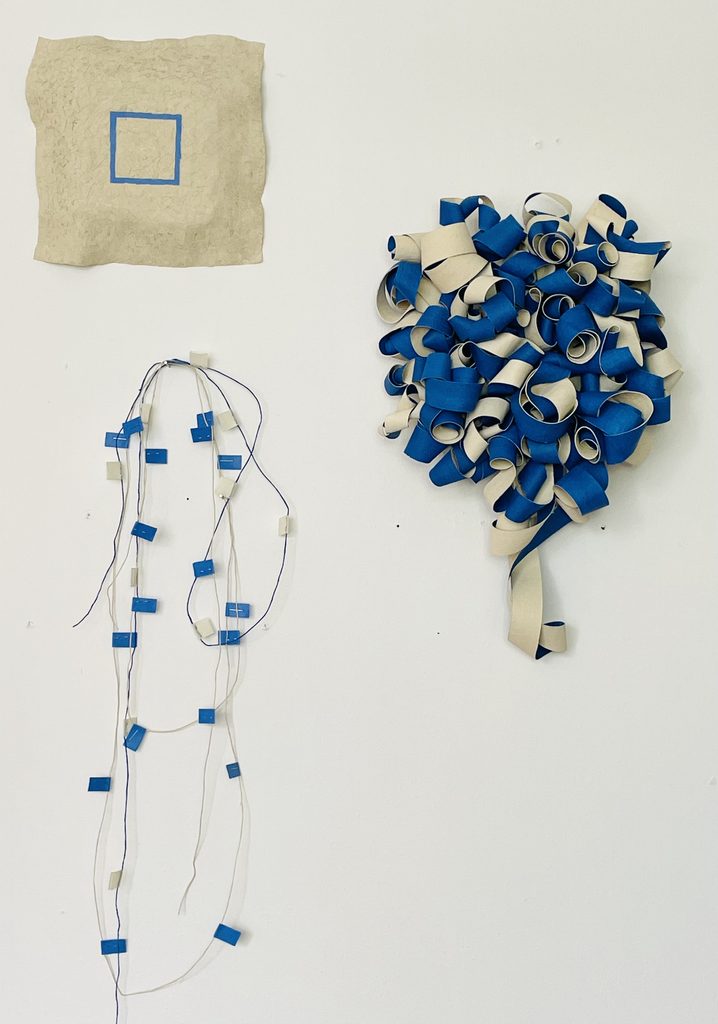
Kate Whateley ‘Untitled’
Exhibiting Artists:
Emma Bennett/ Karl Bielik/ Stephen Carley/ Nan Collantine/ Alison Edmonds/ Paul Evans/ Ruth Glasheen/ Robert Hall/ Cynthia Harrison-Orr/ Ruth Heaton/ Catherine Higham/ Kate Jacob/ Jack Kettlewell/ Mikk Murray/ Miria Miria/ David Orme/ Bob Partridge/ Mandy Payne/ Gary Simmonds/ Jenny Sutton/ Helen Thomas/ Kate Whateley/ Sean Williams